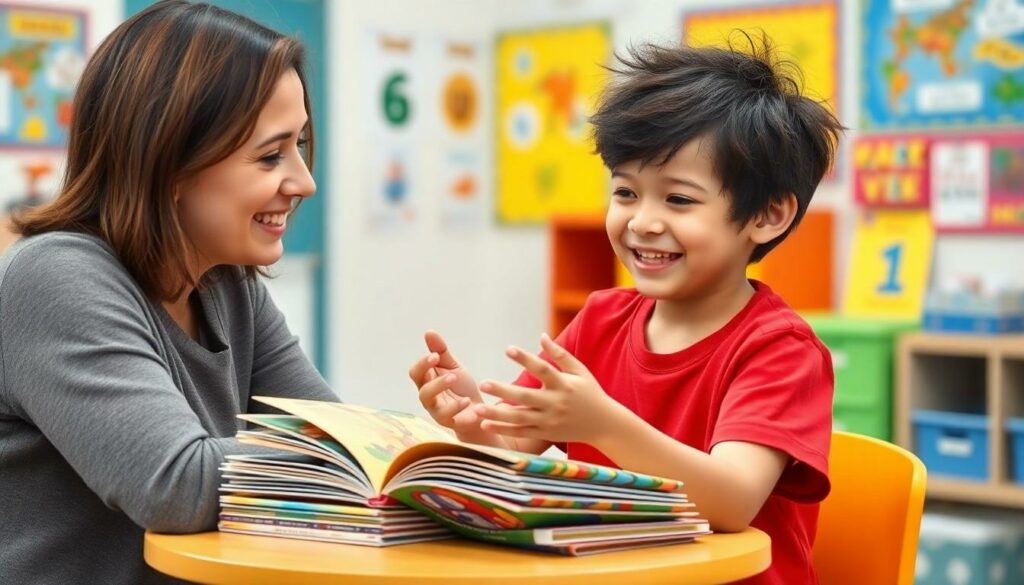
Teaching kids to read can feel like trying to teach a cat to swim—challenging and a bit chaotic. But with the right strategies, it’s not just possible; it can be a fun adventure! Imagine the joy of watching a child’s face light up as they decode their first word. That moment is pure magic, and it’s a gift that lasts a lifetime.
Understanding the Importance of Reading
Reading forms the foundation for a child’s educational journey. It enhances language skills by exposing children to vocabulary, sentence structures, and grammar. Comprehending written material builds critical thinking abilities, allowing kids to analyze and interpret information effectively.
Research indicates that children who read frequently achieve higher academic success. Studies show that early readers score better on standardized tests, demonstrating a direct link between reading and overall performance. Engaging in reading also stimulates imagination, enabling children to explore diverse cultures and ideas.
Developing a love for reading fosters a lifelong habit. When children associate reading with enjoyment, they’re more likely to continue this practice into adulthood. Furthermore, reading offers a unique opportunity for bonding between adults and children. Shared reading experiences can strengthen relationships through discussion of stories and characters.
Encouraging a variety of reading materials expands a child’s understanding of the world. Fiction, non-fiction, poems, and graphic novels all contribute to a well-rounded literacy experience. Dynamic texts engage different interests and learning styles, ensuring children find something that resonates with them.
Strengthening reading skills early on aids in the development of essential life skills. These skills include communication, empathy, and creativity. As children decode words and comprehend texts, they gain confidence in expressing their thoughts and ideas both verbally and in writing.
Key Principles of Teaching Reading

Teaching reading effectively involves several key principles that enhance a child’s learning experience. Strategies such as integrating phonics, phonemic awareness, and vocabulary development play a crucial role.
Phonics and Phonemic Awareness
Phonics involves the relationship between letters and sounds. Teachers need to focus on systematic instruction that connects sounds to their corresponding letters, aiding in word decoding. Phonemic awareness centers on a child’s ability to hear, identify, and manipulate individual sounds in spoken words. Engaging activities like rhyming games, sound matching, and blending sounds foster this skill. Research indicates that children who develop strong phonemic awareness show greater success in reading. Thus, emphasizing these skills builds a solid foundation for fluency.
Vocabulary Development
Vocabulary development significantly contributes to reading comprehension. Exposure to diverse words expands a child’s linguistic repertoire. Introducing new vocabulary through engaging stories enhances understanding and encourages connections to other subjects. Interactive discussions about words help solidify meanings in context. Children should also encounter words in varied contexts to grasp nuances. Studies suggest that a rich vocabulary correlates with improved academic performance. Prioritizing vocabulary development enriches a child’s overall language experience, making reading more enjoyable and effective.
Effective Teaching Strategies
Effective teaching strategies enhance a child’s reading journey. Two crucial approaches include interactive reading techniques and the utilization of diverse reading materials.
Interactive Reading Techniques
Interactive reading techniques promote engagement and understanding. Shared reading allows children to follow along as adults read aloud. Asking open-ended questions during the story encourages children to think critically about the text. Additionally, incorporating gestures and facial expressions captivates young readers’ attention. Using repetitive phrases strengthens familiarity with language and boosts confidence. Parents and educators should also model enthusiasm, demonstrating the joy of reading. These techniques nurture a love for books and create stimulating reading environments.
Utilizing Reading Materials
Utilizing various reading materials enriches children’s learning experiences. Picture books capture attention while introducing new vocabulary through illustrations. Gradually incorporating chapter books helps develop reading stamina and comprehension skills. Magazines and newspapers expose children to real-world contexts, sparking interest in current events and topics. Diverse genres, such as fiction, non-fiction, and poetry, foster appreciation for different writing styles. Integrating technology with e-books and audiobooks provides an engaging alternative to traditional print materials. Access to varied reading materials cultivates a well-rounded approach to literacy development.
Assessing Reading Progress
Assessing reading progress is crucial in determining how effectively a child learns to read. Educators benefit from using various tools to measure comprehension and fluency.
Tools for Evaluation
Implementing a range of evaluation tools aids in assessing reading skills. Standardized tests provide benchmarks for comparison with peers. Observational assessments offer insights into a child’s engagement and comprehension during reading sessions. Regular check-ins through informal assessments, such as reading logs, help track a child’s progress over time. Additionally, running records enable educators to identify specific challenges a child faces while reading. Using a combination of these tools allows for a comprehensive understanding of a child’s reading abilities and areas needing improvement.
Adjusting Teaching Methods
Adjusting teaching methods based on assessment results enhances reading instruction. Observing a child’s struggles with specific phonics skills may prompt a shift towards more targeted phonics activities. When assessments reveal a child excels in vocabulary, educators can introduce more complex texts to challenge them further. Switching to different interactive reading techniques, like guided reading sessions, promotes engagement and comprehension. Adapting materials to fit a child’s interests ensures relatability and encourages a love for reading. Continuous adjustment of teaching strategies in response to assessments fosters a more effective learning environment.
Encouraging a Love for Reading
Creating a love for reading in children involves introducing them to a variety of engaging materials. Picture books captivate young readers with colorful illustrations, while chapter books offer adventurous narratives that spark imagination. Audiobooks allow children to listen to captivating stories during car rides or quiet times.
Reading together strengthens bonds between adults and children. Sharing a book promotes discussions about characters and plots, fostering critical thinking. Asking open-ended questions during reading not only enhances understanding but also encourages children to express their thoughts.
Providing access to diverse genres exposes children to different cultures and ideas. Non-fiction books, poetry, and graphic novels each offer unique perspectives, broadening children’s worldviews. Visits to libraries introduce a wealth of resources, making reading an exciting exploration.
Setting aside dedicated reading time creates a routine. Establishing regular reading sessions encourages children to view reading as a valuable activity. When children see adults prioritizing reading, they are more likely to emulate those behaviors.
Modeling enthusiasm for books influences children’s attitudes toward reading. Exclaiming excitement over new titles or discussing recent reads makes reading feel vibrant. Incorporating reading into daily life reinforces its significance.
Encouraging participation in reading programs or book clubs nurtures children’s love for stories. Social interactions around books inspire discussions about characters and themes, enhancing comprehension. Celebrating achievements in reading, whether through completing a book or attending events, boosts confidence and motivation.
Prioritizing reading as a joyful experience cultivates a lifelong passion for learning. When children associate reading with positive emotions, they develop habits that contribute to academic success. Supporting their journey fosters communication, creativity, and empathy as they delve deeper into stories.
Conclusion
Teaching reading to kids is a journey filled with both challenges and rewards. By employing effective strategies and creating an engaging environment, educators can transform this process into a joyful experience. The magic of a child reading their first word is just the beginning of a lifelong love for learning.
Fostering this passion not only enhances literacy skills but also strengthens relationships and broadens perspectives. As children explore diverse materials and develop critical thinking abilities, they gain essential life skills that will serve them well beyond the classroom. Prioritizing reading as an enjoyable activity lays the groundwork for future academic success and personal growth. With patience and creativity, the journey of teaching reading can become a fulfilling adventure for both educators and children alike.