In a world where e-books and streaming services reign supreme, the humble library still holds a special charm. Book borrowing isn’t just about saving a few bucks; it’s a treasure hunt for literary gems waiting to be discovered. Who wouldn’t want to dive into a new adventure without breaking the bank?
Overview of Book Borrowing
Book borrowing provides access to a variety of literary works without the obligation of purchasing them. Libraries serve as hubs for this practice, offering patrons the chance to explore literature spanning genres and eras. Many individuals appreciate the unique experience of browsing shelves filled with books, discovering titles they might not encounter elsewhere.
Statistics demonstrate that over 45% of the U.S. population holds library cards, a testament to the popularity of borrowing. This increased engagement highlights the role of libraries in supporting lifelong learning and promoting reading. Borrowing remains an environmentally friendly choice, reducing the need for paper production and minimizing waste.
Fines for late returns can occur, but many libraries no longer impose fees, focusing instead on encouraging patrons to return books. Specific timeframes for borrowing vary, generally ranging from 2 to 4 weeks, with renewals often available. Individuals can explore local regulations, as these differ by library system.
Libraries also host events and programs that enhance the borrowing experience. Workshops, author talks, and reading groups engage the community, fostering a sense of belonging. Many libraries partner with online platforms, enabling access to e-books and audiobooks, making borrowing even easier.
Ultimately, book borrowing remains a valuable service. It opens doors to literary exploration, supports community engagement, and promotes sustainable practices. The accessibility of literature through libraries ensures everyone can partake in the joys of reading.
Benefits of Book Borrowing
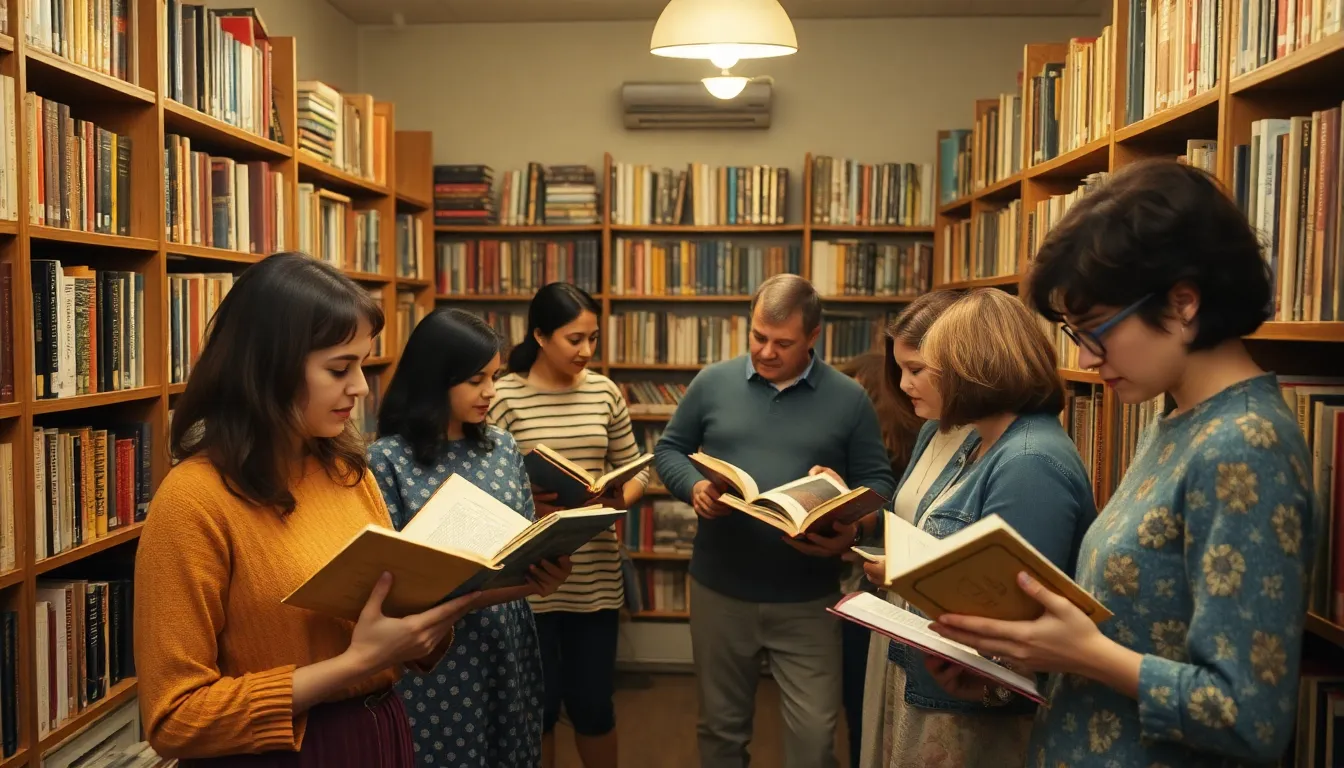
Book borrowing offers various advantages that enhance the reading experience. Cost savings and access to a broad range of literature stand out as primary benefits.
Cost-Effectiveness
Borrowing books saves money for individuals and families. Library patrons enjoy free access to countless titles, minimizing the need to invest in purchases. Reducing expenses is particularly beneficial for students and avid readers alike, making literature more accessible. Furthermore, some libraries provide complimentary events and workshops, adding extra value for users. As a result, book borrowing supports a budget-friendly lifestyle while fostering a love for reading.
Access to a Variety of Titles
Libraries house extensive collections across diverse genres and subjects. Patrons can explore fiction, non-fiction, and educational materials without the commitment of buying each book. This accessibility encourages individuals to venture beyond familiar authors and genres, expanding their literary horizons. Staff members often recommend lesser-known titles, enhancing the discovery process. Borrowing books allows readers to experience stories and knowledge that might otherwise go unnoticed. The variety available fosters a dynamic reading culture within the community.
Challenges of Book Borrowing
Book borrowing presents several challenges that patrons encounter regularly. These issues can affect the overall experience and accessibility of library services.
Late Fees and Return Policies
Late fees create a barrier for some borrowers. Many libraries charge fees for overdue items, which can add up quickly. However, several libraries have eliminated these fees to encourage timely returns and improve patron engagement. Return policies vary widely, typically ranging from 2 to 4 weeks, depending on the type of material. Renewals often extend borrowing periods and allow more flexibility. Understanding these policies helps patrons manage their borrowing efficiently while avoiding unexpected costs.
Availability of Popular Titles
Availability of popular titles poses another challenge for borrowers. High-demand books often see long waitlists, limiting immediate access. Some libraries allow patrons to place holds on specific titles, but these can lead to delays. Additionally, budget constraints can impact a library’s ability to acquire new releases. Exploring lesser-known works may uncover unique gems, though many readers prefer popular titles. Engaging with library staff can provide insights into upcoming releases and assist in finding alternatives to widely sought-after books.
The Role of Libraries in Book Borrowing
Libraries serve as essential resources for book borrowing, significantly impacting local communities. Patrons find vast collections that span numerous genres, from fiction to non-fiction and everything in between. Engaging with library staff often leads to uncovering hidden gems, enriching the literary experience.
More than 45% of the U.S. population holds library cards, demonstrating widespread appreciation for borrowing services. Access to various literary works without purchasing them proves valuable, especially for students and avid readers. During borrowing periods that typically last 2 to 4 weeks, individuals can explore diverse topics at no financial risk.
Community events and workshops enhance library engagement, fostering connections among patrons and local authors. Many libraries partner with online platforms, offering e-books and audiobooks for added convenience. Eliminating late fees has improved access, encouraging timely returns and increased borrowing frequency.
Challenges still exist, including high demand for popular titles often resulting in long waitlists. Understanding return policies is crucial for a smooth borrowing experience, as variations can affect borrowing outcomes. Some libraries allow holds on specific titles, ensuring equitable access despite budget constraints.
Readers benefit from discovering alternative titles suggested by library staff when desired books are unavailable. Promoting sustainable practices, borrowing contributes to reduced waste and supports eco-friendly reading habits. Libraries continue to be pivotal in fostering literary exploration and promoting lifelong learning within their communities.
Digital Book Borrowing Options
Digital book borrowing transforms the way readers access literature. Many libraries collaborate with online platforms like OverDrive and Libby, allowing patrons to borrow e-books and audiobooks conveniently. These services offer extensive catalogs, enabling readers to explore various genres without purchasing titles.
Accessing digital materials often requires a library card, which over 45% of the U.S. population currently holds. Through these platforms, users can select from thousands of titles, enhancing their reading experience. Most digital libraries allow easy downloads to multiple devices, including tablets, smartphones, and e-readers, promoting seamless reading.
Borrowing periods for digital books typically mirror those of physical books, ranging from 2 to 4 weeks. Renewals are often available if no holds are placed on a title, allowing for extended reading time. Community events hosted online further enrich the digital borrowing experience, connecting readers with library services and staff recommendations.
Additionally, some libraries feature apps for easier access to their digital resources. These apps simplify the search process, making it easy to find popular titles and discover new authors. Features like user-friendly interfaces and personalized recommendations support users in finding books tailored to their interests.
Challenges in digital borrowing may include waitlists for in-demand e-books or technical issues with access. Engaging with library staff helps mitigate these obstacles, as they provide insights into managing holds and suggest alternative titles. Digital borrowing aligns with environmentally friendly practices, reducing the need for physical resources while expanding access to reading materials.
Book borrowing stands as a vital resource in today’s literary landscape. It not only opens doors to countless stories but also nurtures a sense of community among readers. With libraries continually adapting to modern needs through digital platforms and engaging events, the borrowing experience remains dynamic and inclusive.
As more individuals embrace the benefits of borrowing, libraries reinforce their commitment to fostering a love for reading and lifelong learning. This commitment ensures that everyone, regardless of their circumstances, can access the joy and knowledge that books provide. Ultimately, book borrowing is more than just a service; it’s a pathway to exploration and connection in the literary world.